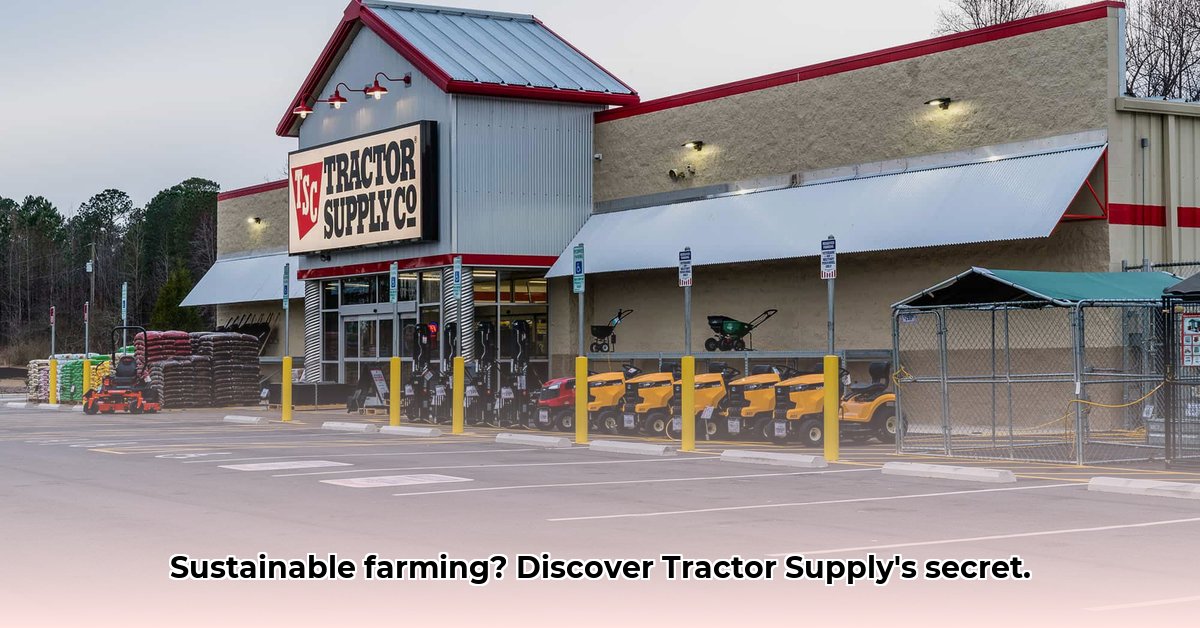
Tractor Supply's Role in Castle Hayne's Agricultural Landscape
Tractor Supply Company (TSC) in Castle Hayne, North Carolina, serves as a crucial resource for local farmers and gardeners, providing a wide array of products and services. Its accessibility is particularly beneficial for rural communities, often lacking convenient access to agricultural supplies. However, this case study examines TSC's contribution to sustainable agriculture, analyzing its strengths and areas needing improvement. We will explore its product offerings, assess its sustainability efforts, and outline actionable recommendations for enhancing its positive impact. For more information on TSC's community involvement, see their donation request page.
Tractor Supply's Offerings and Rural Community Impact
TSC Castle Hayne offers a broad selection of products relevant to sustainable farming practices. This includes organic seeds, natural fertilizers, water conservation tools, and livestock feed promoting environmentally friendly farming methods. The store's convenient location and extensive inventory significantly benefit local farmers, reducing travel time and ensuring timely access to essential supplies. This accessibility is a critical factor in supporting farm productivity and economic viability within the rural community. However, the question remains: How transparent are TSC's own sustainability practices in its sourcing and operations? Simply providing access to sustainable products isn't enough; the company's own environmental footprint needs to be considered.
Analysis of TSC's Sustainability Efforts
While TSC offers products that support sustainable agriculture, a lack of transparent data regarding its supply chain sustainability raises concerns. While the store offers organic options, the percentage of sustainably sourced products within its overall inventory remains unclear. Similarly, information regarding its environmental impact, such as carbon emissions and waste management, is limited. This lack of transparency hinders a comprehensive assessment of TSC's true commitment to environmentally responsible practices.
Positive Aspects:
- Extensive Product Range: TSC offers a diverse range of products supporting sustainable farming methods, from organic seeds to water-efficient irrigation systems.
- Community Engagement: The store serves as a central hub for local farmers, facilitating community interaction and knowledge sharing.
- Improved Accessibility: Its location offers convenient access to essential supplies for rural farmers.
Areas for Improvement:
- Transparency and Data Availability: More public information regarding TSC's supply chain sustainability and environmental impact is needed to build stakeholder trust.
- Sustainable Sourcing Practices: Clarification on the percentage of sustainably sourced products in its inventory and the rigor of its supplier vetting process is needed.
- Comprehensive Sustainability Reporting: Publicly available data on key sustainability metrics, such as carbon footprint and waste reduction initiatives, would enhance accountability and demonstrate commitment.
Actionable Recommendations for Enhancing Sustainability
To fully realize its potential for supporting sustainable agriculture, Tractor Supply Company must implement a comprehensive strategy involving short and long-term goals. This requires a collaborative approach involving TSC management, local farmers, suppliers, and competitors.
Short-Term Goals (1-2 Years):
- Conduct a Comprehensive Sustainability Audit: A thorough internal audit evaluating TSC's current environmental impact and supply chain practices. This audit will identify strengths, weaknesses, and areas needing immediate improvement. This should include a detailed analysis of energy consumption, waste generation, and water usage.
- Enhance Farmer Education Initiatives: Invest in educational workshops and informational resources focusing on sustainable agricultural practices. This empowers farmers to adopt environmentally friendly methods and improve economic resilience.
- Strengthen Partnerships with Sustainable Suppliers: Prioritize partnerships with suppliers committed to ethical and sustainable business practices, ensuring transparency and accountability throughout the supply chain.
Long-Term Strategies (3-5 Years):
- Develop and Publicly Release a Comprehensive Sustainability Plan: This plan should detail specific, measurable, achievable, relevant, and time-bound (SMART) targets for reducing environmental impact across all aspects of the business. Regular progress reports should be publicly accessible.
- Expand the Range of Sustainable Product Offerings: Significantly increase the availability of organic and sustainably sourced products to meet growing consumer demand.
- Implement Supply Chain Traceability: Improve transparency by implementing systems to track the origin and environmental impact of all products throughout the supply chain. This can involve blockchain technology or other robust tracking systems.
- Transition to Sustainable Packaging: Reduce reliance on single-use plastics and transition to eco-friendly packaging solutions.
Risk Assessment and Regulatory Implications
Implementing these recommendations will involve navigating certain risks. However, a proactive approach can mitigate these risks and unlock significant opportunities.
| Risk Factor | Likelihood | Impact | Mitigation Strategy |
|---|---|---|---|
| Increased Costs | Moderate | Medium | Explore cost-effective sustainable solutions, partner with suppliers offering price advantages. |
| Consumer Resistance to Price Changes | Low | Low | Educate consumers about the value of sustainable products and practices. |
| Supply Chain Disruptions | Moderate | High | Diversify suppliers, build strong partnerships, and explore alternative sourcing options. |
| Regulatory Changes | Low | Medium | Stay informed about evolving regulations and proactively adapt to compliance requirements. |
Conclusion: A Path Towards Greater Sustainability
Tractor Supply Castle Hayne has the potential to become a leader in promoting sustainable agriculture in its community. By embracing transparency, strengthening partnerships, and actively pursuing sustainable practices, TSC can make a significant contribution to the long-term health of the environment and the economic well-being of local farmers. Further research into specific supply chain metrics, including carbon footprint analyses and sustainable sourcing percentages, is crucial for a more complete understanding of TSC’s overall environmental impact.